Timing Early Spring Vegetables Against Late Frosts
A warm afternoon can make Nebraska beds look ready, but a late frost may still damage seedlings or newly planted crops. The safest approach is not to wait for one calendar date: match each vegetable to its cold tolerance, check the soil and local forecast, and have a plan for protecting tender growth. These steps help you get an early start without putting the whole planting at risk.
Start with the crop, not a single spring date
Early vegetables differ in how well they handle cold. Some can germinate and grow in cool soil, while others need warmer conditions and may be injured by a light frost. Even a cold-tolerant crop can suffer if it is newly transplanted, stressed, or exposed to a sharp change in weather.
That is why a planting calendar should be a planning tool, not a promise that a crop is safe outside on a particular day. Nebraska’s spring conditions vary by region, year, and garden site. A sheltered urban bed may warm earlier than an exposed plot, while a low spot can collect cold air after a clear, calm night.
For an overview of how planting windows fit together across the season, see Nebraska Vegetable Planting Calendar: From Spring Thaw to Fall. For the early part of that calendar, focus on two questions: can the crop tolerate the conditions expected, and is the bed ready to support healthy growth?
Cool-season crops are the best candidates for an early start
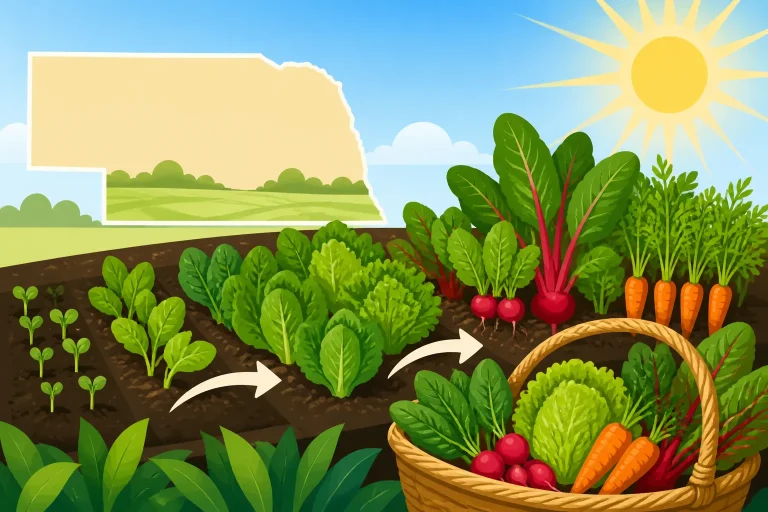
Peas, spinach, lettuce, radishes, and some other leafy greens and root crops are common choices for early sowing. Many can grow in cool conditions, although their germination and growth may be slow when soil is cold. Seed packets and local growing guidance can help you compare the needs of a particular crop or variety.
Cold tolerance is not the same as immunity to frost. A mature plant may endure conditions that damage a tender seedling, and the response can vary by crop, variety, and stage of growth. Newly emerged leaves have little protection from wind or sudden temperature swings. A transplanted seedling may also be more vulnerable than an established plant because its roots have not yet adjusted to the garden.
Other crops, including broccoli, cabbage, and cauliflower, are often started indoors or bought as transplants for a spring planting. They can tolerate cool weather better than many warm-season vegetables, but they still benefit from gradual adjustment to outdoor conditions. A transplant that moves directly from a protected indoor space into cold wind and bright sun may struggle even if the air temperature does not fall below freezing.
Warm-season crops such as tomatoes, peppers, cucumbers, beans, and squash are different. They generally need warmer soil and air and are more vulnerable to cold. Planting them early does not necessarily produce an earlier harvest: cold stress can slow growth, and frost can kill tender plants. Keep those crops out of the early-frost gamble unless local conditions and suitable protection support the plan.
| Crop group | Examples | Early-spring approach | Main caution |
|---|---|---|---|
| Hardy cool-season crops | Peas, spinach, radishes | Consider direct sowing when soil is workable and the crop guidance supports it | Cold soil can delay germination and growth |
| Leafy greens | Lettuce and other greens | Sow or transplant in stages, using protection when a frost threatens | Tender leaves may be damaged by cold or wind |
| Cool-season transplants | Broccoli, cabbage, cauliflower | Harden off before planting; protect new transplants during cold snaps | Transplant shock can add to weather stress |
| Warm-season crops | Tomatoes, peppers, cucumbers, beans, squash | Wait for reliably warmer conditions or use a carefully managed protected setup | Frost and cold soil can cause serious setbacks |
The table is a starting point, not a guarantee for every variety. For more crop-by-crop options, see Cool-Season Crops You Can Start Before Frost Passes.
Decide whether to sow seeds or set out transplants
Direct-sown crops and transplants face different risks. Seeds are sheltered in the soil, but they may sit for a long time if the ground is too cold or wet. A transplant begins above ground and can be exposed immediately to frost, wind, and dry air. The better choice depends on the crop and the condition of the bed.
Before sowing, check whether the soil is workable. If it sticks heavily to tools, smears when handled, or forms dense clods, wait for it to dry rather than digging or walking on it. Working wet soil can damage its structure and leave a compacted surface that is difficult for seedlings to push through. A quick check of soil moisture is useful; Testing Nebraska Soil Moisture Before Tilling Spring Garden Beds covers what to look for before disturbing a bed.
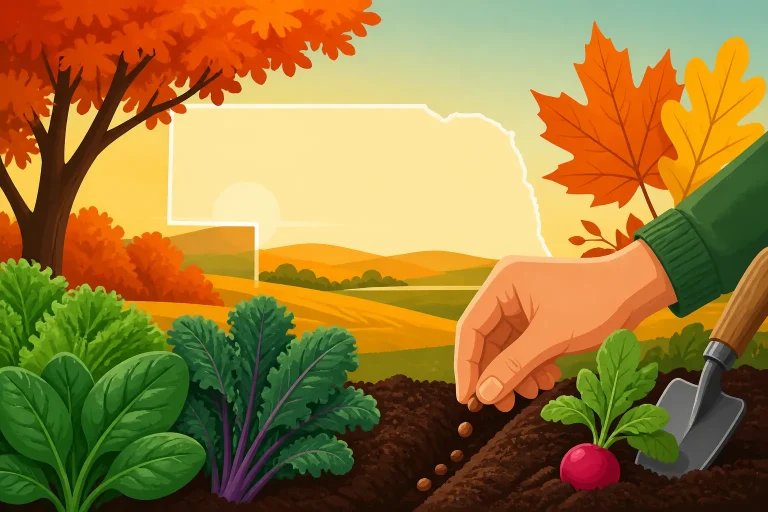
Soil temperature matters, too. Different seeds have different temperature needs, so use the seed packet or trusted crop-specific guidance rather than relying on a single temperature that supposedly suits every vegetable. A soil thermometer can help you compare the bed’s conditions with those recommendations. It is most useful when placed at seed depth in the area where you intend to plant, since a sunny surface can warm faster than the soil below it. See Using Soil Thermometers to Time Nebraska Spring Seed Sowing for more detail.
For transplants, readiness involves more than a forecast. A seedling should be sturdy enough to handle outdoor conditions, and it should be gradually acclimated before planting. Set it outside for limited periods in a sheltered location at first, then increase exposure over time as conditions allow. Avoid treating one mild afternoon as proof that a plant is ready for a cold, windy night. The process is explained in Hardening Off Nebraska Bedding Starts Before Outdoor Planting.
When conditions remain uncertain, small, staged plantings can reduce the risk. Sow a short row or a limited number of transplants first, then add more when the weather and soil improve. If an early planting is damaged, you have not lost the entire crop. If it succeeds, you can continue with another sowing for a more spread-out harvest. Nebraska Succession Planting: Steady Harvests All Summer explains how to carry that approach through the growing season.
Read the frost risk at your garden, not just the forecast
A forecast gives an area-wide picture, while a garden has its own cold spots and warm pockets. The air temperature reported for a nearby weather station may not match the temperature around leaves close to the ground. A low hollow, open field edge, or sheltered south-facing bed can experience different conditions from a raised bed beside a building.
Frost is influenced by the weather pattern and the shape of the site. Clear skies and light winds can allow heat near the ground to escape overnight. Cold air can settle in lower areas, while a slope with good air movement may be less prone to frost buildup. A wall or fence may offer shelter from wind, but it does not make a bed frost-proof.
Before planting, pay attention to where cold tends to linger in your yard. Notice which areas stay frosty after other parts have cleared, where water collects, and which beds warm first in the morning. If possible, avoid putting the earliest, most vulnerable plantings in a known frost pocket. Why Air Drainage Matters When Nebraska Spring Frost Threatens Beds explains how site shape can affect cold-air movement.
Use several clues rather than one forecast number
Check the local forecast as planting approaches, then keep checking as the night gets closer. Forecasts can change, especially when a cold front or clear, calm night is involved. Look beyond the low temperature if the forecast provides details about wind, cloud cover, and the timing of the coldest part of the night. Those details can help you decide whether to cover a bed or delay planting.
Also distinguish between a frost advisory and a general forecast of cold weather. The terms used in weather notices describe different expected conditions, and the wording can vary. Read the actual notice for your area rather than assuming that a particular label means every garden will be affected in the same way.
Average first or last frost dates are useful for broad planning, but they are not fixed dates for planting. A statistical average cannot tell you whether frost will occur in your yard this week. To understand the difference between a typical frost window and a specific forecast, see Understanding Frost and Freeze Timing in Nebraska Home Gardens.
A practical decision combines the forecast with crop tolerance and garden conditions:
- Identify what is planted or what you plan to plant. A row of peas is a different risk from newly transplanted peppers.
- Check whether the soil is workable and suitable for that crop. If it is wet or colder than the crop guidance recommends, wait.
- Review the local forecast for the coming nights, not just the afternoon high.
- Consider the garden’s exposure. An open, low bed may need more caution than a sheltered spot.
- Decide whether you can protect the crop. If you cannot cover or move it when needed, postpone vulnerable planting.
This process does not remove uncertainty, but it prevents a common mistake: treating a mild spell as a permanent change in the weather. Early warmth can be followed by a sharp return to cold.
Be especially cautious with new plantings
An established cool-season crop may come through a cold night with little visible damage, while a recently planted seedling can show stress. New roots need time to establish. Wind can dry foliage and cool plants, and a sudden frost can damage exposed leaves before the plant has recovered from transplanting.
If the forecast is unsettled, you can delay setting out transplants while continuing to prepare the bed. Keep seedlings protected, avoid letting them become root-bound, and continue hardening them off during suitable weather. For direct-sown crops, consider waiting until the soil meets the crop’s needs rather than sowing into cold, saturated ground simply because the calendar suggests it is time.
A useful option is to separate the garden into risk levels. Plant the hardier crops first in a site you can monitor, and reserve the warmest beds or containers for crops that need more protection. That way, one cold night does not put every crop at risk.
Protect early vegetables when a cold night is coming
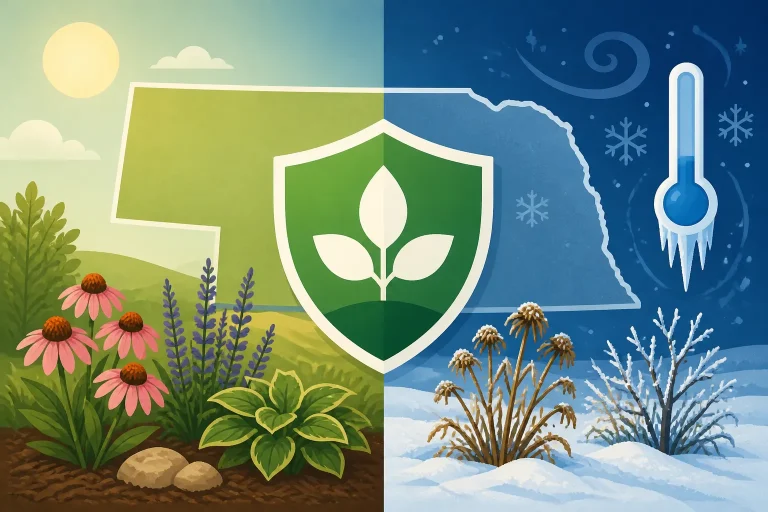
Protection works best when it is planned before the temperature drops. Keep suitable covers nearby and know which plants need them. A cover can reduce exposure to cold, but the result depends on the material, how it is installed, wind, and the conditions of the night. No cover guarantees survival in every freeze.
For low-growing vegetables, a fabric cover or other suitable protective covering can help shield leaves. Put it in place before the evening cools, secure it so wind cannot lift it, and make sure it covers the plants rather than leaving gaps around the edges. If the material is likely to press on delicate foliage, hoops or another support can keep it off the plants. Covering Low Nebraska Garden Plants With Sheets or Tarps has more on choosing and securing a cover.
Avoid assuming that a cover left in place indefinitely is harmless. On a sunny day, covered plants may warm more than expected. Check conditions in the morning and remove or ventilate the covering when the risk has passed and the day warms. That also gives foliage a chance to dry and allows pollinators and people to reach plants when appropriate.
Plastic requires particular care. It can trap heat in sunshine, and direct contact between cold plastic and foliage may not provide the protection gardeners expect. If using plastic as part of a structure, keep it supported above the plants and manage ventilation as temperatures rise. A cover that is not secured can also be lifted by wind, exposing the plants at the moment protection matters most.
Protect the soil as well as the leaves
Mulch can moderate soil conditions, but it does not make a frost-sensitive plant safe from a cold night. For young seedlings, a thick layer placed too close can interfere with emergence or keep the soil cool. Use mulch with the crop’s growth stage in mind and avoid piling it over small plants.
Watering is not a substitute for a cover or a favorable forecast. Garden soil that is extremely dry may behave differently from moist soil, but adding water at the last minute is not a dependable frost-protection method for a home vegetable bed. Keep watering guided by soil moisture and crop needs, and avoid leaving beds waterlogged. If the soil is already saturated, do not add water just because frost is forecast.
A cold frame, low tunnel, or greenhouse can extend the season, but it adds daily management. Temperatures inside can rise quickly in sun, and plants may need ventilation. Structures also need to be anchored against wind. Anyone using a protected setup should monitor both temperature and airflow rather than assuming that a plastic cover automatically creates safe conditions. Adding Low Tunnels Over Nebraska Raised Beds for Early Spring Warmth discusses one approach.
Make a backup plan before planting
Protection is easier when you decide in advance what you will do. Keep covers accessible, check that they are large enough for the bed, and have a way to secure them. If you use containers, consider whether a vulnerable plant can be moved to a sheltered place. Avoid relying on improvised protection that you cannot install safely in the dark or wind.
For a small garden, a staged approach may be simpler than building a large protected structure. Plant a few hardy crops early, keep tender crops in reserve, and expand the planting when conditions are more dependable. If an unexpected frost damages the first sowing, replanting may be possible depending on the crop and remaining season. A staggered planting also spreads harvest timing and reduces the pressure to get every seed in the ground on the first suitable day.
Build a flexible planting routine for Nebraska spring
The most reliable early-spring plan is a sequence of decisions, not a one-time planting date. Start by sorting crops into cold-tolerant and tender groups. Prepare the bed when the soil is workable, check crop-specific sowing requirements, and keep an eye on the forecast. Plant the hardier crops first, then add transplants and warm-season vegetables as their conditions are met.
A step-by-step way to time the first planting
- Choose the first crops. Begin with vegetables suited to cool conditions, such as peas, spinach, lettuce, and radishes. Check the packet or growing guidance for the exact crop and variety.
- Assess the site. Identify frost pockets, wind exposure, shade, and areas that stay wet. Use the bed that offers the best combination of drainage, sun, and ability to protect plants.
- Check the soil. Wait until it can be worked without smearing or compacting. Compare its temperature with crop-specific guidance if you have a soil thermometer.
- Sow or transplant selectively. Direct sow crops that are appropriate for it; reserve transplants for a time when they can be hardened off and protected if necessary.
- Follow the local forecast. Recheck conditions as planting day approaches. Be prepared for a cold night even after a stretch of warm weather.
- Cover when warranted. Put protection in place before the coldest part of the night, secure it, and manage it as the following day warms.
- Inspect and adjust. Check plants after the cold passes. If damage occurs, wait to see what remains healthy before removing plants or replanting.
This routine keeps decisions tied to the actual crop and bed. It also helps avoid the temptation to plant everything at once after the first warm weekend.
Respond to a forecast change without panicking
If a cold night appears in the forecast after planting, first determine which crops are at risk. Hardy crops may need no intervention, while tender transplants and seedlings may benefit from a cover or temporary move. Protect the most vulnerable plants first, especially those in exposed or low areas.
After the cold night, give plants time to show the extent of injury. Frost-damaged leaves may look limp or dark, but the growing point or roots may still be alive. Do not pull every plant immediately based on the appearance of the top growth. Once conditions improve, assess whether new growth is emerging and whether the crop is likely to recover. If a planting has failed, re-sow or replace it when the soil and forecast suit the crop.
Keep a simple note of what was planted, where it went, and what happened during cold spells. Over time, those observations can reveal which parts of your yard warm first and which need extra caution. This local record is often more useful than relying on a single rule of thumb for an entire state.
For a broader look at matching spring planting to regional conditions, Nebraska Spring Freeze Dates: Comparing East, Central, and West and Planning Vegetable Beds Around Unpredictable Late Spring Freezes can help you think through regional and site-level variation. The goal is not to predict every cold night perfectly; it is to make plantings that can tolerate ordinary uncertainty and to protect the ones that cannot.
Frequently Asked Questions
Can I plant vegetables as soon as the snow melts?
Not necessarily. Snowmelt does not mean the soil is dry, warm, or ready to work. Check soil moisture and the needs of the crop. Cool-season vegetables may be suitable earlier than warm-season crops, but cold, wet soil can delay germination and harm seedlings.
Should I wait until all frost risk has passed before planting?
No single approach fits every crop. Many cool-season vegetables can be planted while frost remains possible, especially if you understand their tolerance and can protect new growth. Tender warm-season crops need warmer conditions and a lower risk of cold injury.
Will a row cover save vegetables in every freeze?
No. A cover can reduce exposure, but performance depends on the cover, how it is installed, wind, and how cold conditions become. Secure it well, keep it from crushing delicate foliage where possible, and check the plants and covering as the weather changes.
Is a warm week enough reason to plant tender vegetables?
A warm week is only one clue. Check the forecast beyond the planting day, consider soil temperature, and account for the bed’s exposure. Cold weather can return after an early warm spell, so delay tender crops if you cannot protect them.
Disclaimer
This article is for general informational purposes only and does not constitute professional advice. Laws, prices and regulations vary by location and change over time. Consult a qualified professional for guidance on your specific situation. Nebraska Gardening Guide is not a government agency and is not affiliated with any university extension, state department of agriculture or other government agency.